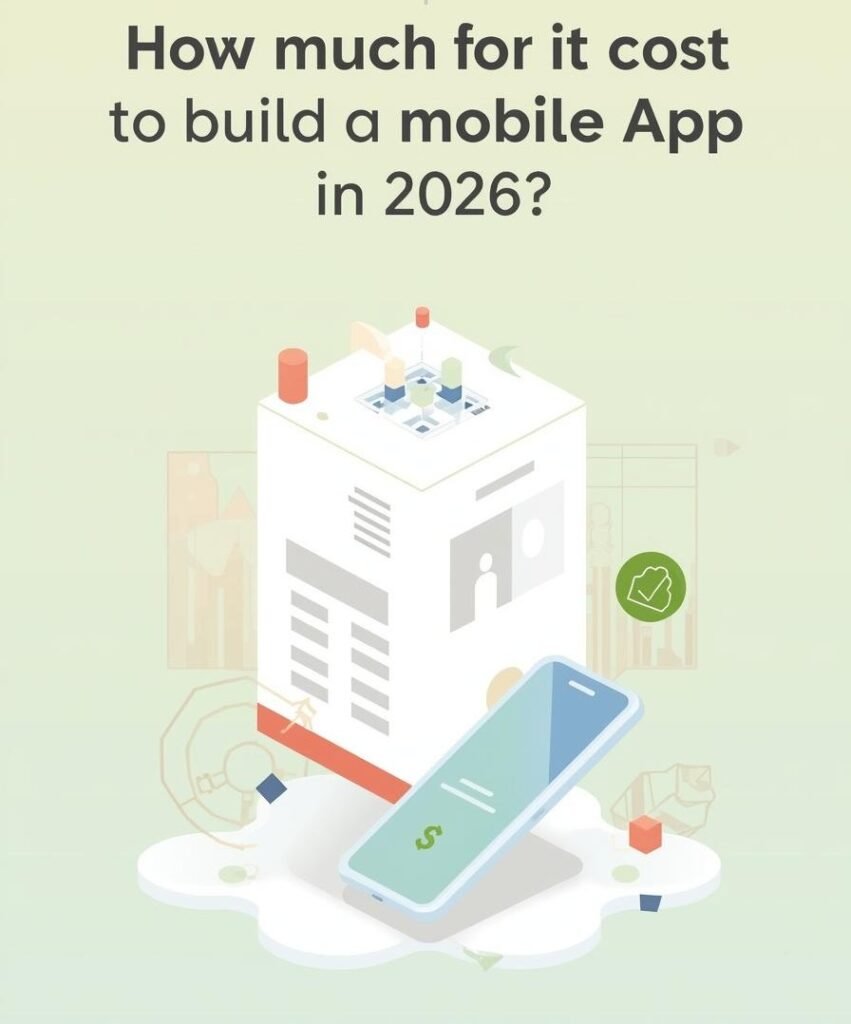
If you’ve ever had an idea for a mobile app, the first question that probably came to your mind is:
“How much will it actually cost to build an app?”
The honest answer is — it depends. Mobile app development costs can vary widely depending on the type of app, its complexity, the platform you choose, and the team you hire.
In 2026, building a mobile app can cost anywhere from $5,000 to over $200,000. But don’t let that huge range scare you. Once you understand the factors involved, it becomes much easier to estimate the budget for your own project.
In this guide, we’ll break down the real costs of building a mobile app and help you understand where your money goes.
Why Mobile Apps Are Still a Smart Investment
Mobile apps continue to dominate how people interact with businesses. From ordering food and booking rides to managing finances and healthcare, apps are now an essential part of everyday life.
Businesses invest in mobile apps because they:
Reach customers directly on their phones
Increase engagement and brand loyalty
Provide faster and more personalized services
Create new revenue streams
For startups and companies alike, a well-built mobile app can become a powerful growth engine.
Average Mobile App Development Cost in 2026
Here’s a general estimate of what different types of apps typically cost.
| App Type | Estimated Cost |
|---|---|
| Simple App | $3,000 – $20,000 |
| Medium Complexity App | $20,000 – $70,000 |
| Complex App | $70,000 – $150,000+ |
But these numbers depend heavily on the features and technologies used.
Key Factors That Affect Mobile App Development Cost
1. App Complexity
The complexity of your app is the biggest factor affecting cost.
Simple Apps
Basic UI
Limited features
No backend integration
Examples include:
Calculators
Simple productivity tools
Basic informational apps
Medium Complexity Apps
User accounts
APIs
Notifications
Payment integration
Examples:
Fitness apps
Booking platforms
Social networking apps
Complex Apps
Real-time data
Advanced backend systems
AI or machine learning
High-level security
Examples:
Ride-sharing apps
Fintech apps
Large e-commerce platforms
The more features and integrations your app requires, the higher the development cost.
2. Platform Choice (iOS, Android, or Both)
Another major cost factor is the platform.
Single Platform Development
Building for either Android or iOS only is usually cheaper.Cross-Platform Development
Modern frameworks allow developers to build apps for both platforms using a single codebase. This approach can significantly reduce costs while maintaining good performance.Many startups today prefer cross-platform solutions because they allow faster launches and lower budgets.
3. UI/UX Design
A great mobile app is not just about functionality—it’s also about user experience.
Design includes:
User interface layouts
User flow
Wireframes
Prototypes
Branding elements
A simple design may cost a few thousand dollars, while a high-end custom design can require a much larger investment.
However, good UX design is crucial because it directly impacts user retention and engagement.
4. Backend Development
Many apps require a backend infrastructure to store data, manage users, and handle business logic.
Backend costs depend on:
Database structure
API development
Cloud hosting
Security systems
Scalability
Apps that handle large amounts of data or real-time interactions often require a more complex backend.
5. Third-Party Integrations
Most modern apps integrate external services such as:
Payment gateways
Maps
Chat systems
Analytics
CRM tools
Each integration adds development time and cost.
6. Maintenance and Updates
Launching your app is only the beginning.
After release, apps require:
Bug fixes
Security updates
Performance improvements
Feature updates
OS compatibility updates
Maintenance typically costs 10–25% of the original development cost per year.
Challenges to Watch
While powerful, agentic AI isn’t without risks:
Trust & Security: Giving agents access to systems can create vulnerabilities. Tatvic Analytics
Complex Coordination: Multi-agent systems may conflict or need orchestration. Wavestone
Accountability: When an agent makes a mistake, who’s responsible?
Maturity: According to analysts, many current agentic AI projects are still experimental and may not deliver clear ROI yet.
Hidden Costs Many Businesses Forget
When budgeting for an app, many founders focus only on development costs. But there are additional expenses to consider:
App Store Fees
Both app stores charge annual developer fees.
Cloud Hosting
Servers and databases require monthly hosting costs.
Marketing
Even the best app needs promotion to reach users.
Analytics Tools
Tracking user behavior is essential for improving the app.
Planning for these costs early helps avoid surprises later.
How Startups Reduce Mobile App Development Costs
Successful startups rarely build a full-featured app right away. Instead, they launch an MVP (Minimum Viable Product).
An MVP focuses only on the core features needed to validate the idea.
Benefits of MVP development:
Lower initial cost
Faster time to market
Real user feedback
Easier product improvements
Once the MVP proves successful, additional features can be added gradually.
Tips for Building a Cost-Effective Mobile App
If you’re planning to build an app in 2026, here are a few practical tips:
Start with a clear product idea.
Focus on essential features first.
Choose the right development technology.
Work with an experienced development team.
Build an MVP before scaling the product.
These steps can save both time and money while increasing the chances of success.
Final Thoughts
Building a mobile app in 2026 can cost anywhere from a few thousand dollars to hundreds of thousands, depending on the app’s complexity, design, and functionality.
The key is not just the budget but building the right product with the right strategy.
A well-planned mobile app can help businesses reach new customers, improve operations, and create long-term value.
Thinking About Building a Mobile App?
If you’re exploring the idea of building a mobile app for your business or startup, having the right development partner can make all the difference.
At Grafiqe Informatics, we help businesses turn ideas into scalable digital products through modern app development solutions.
Whether you’re planning an MVP or a full-scale application, our team can guide you through the entire development journey.
Have an app idea in mind? Let’s talk and bring it to life.